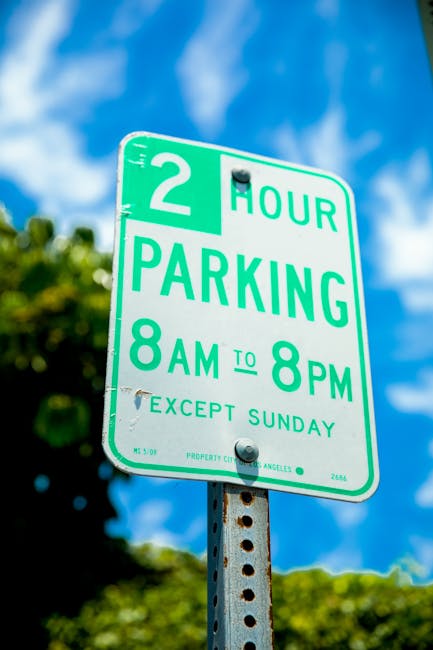
South Kensington removals parking permits council rules explained
If you are planning a move in South Kensington, parking can be the part that quietly causes the most trouble. The boxes may be packed, the van may be booked, but if the vehicle cannot stop legally and safely outside the property, the whole day starts to wobble. That is why South Kensington removals parking permits council rules explained matters so much. It is not just admin. It affects timing, loading, access, and often the final cost of the move.
This guide breaks everything down in plain English: how parking permissions usually work, what council rules mean in practice, when you need to act early, and how to avoid the classic London moving-day headaches. Let's face it, nobody wants to be standing on the pavement at 8:15 a.m. wondering whether the van is about to get a ticket.
Table of Contents
- Why parking permits matter in South Kensington
- How the permit and council rule process works
- Key benefits and practical advantages
- Who needs this and when it makes sense
- Step-by-step guidance for your move
- Expert tips for a smoother moving day
- Common mistakes to avoid
- Tools, resources and recommendations
- Law, compliance, standards and best practice
- Options and comparison table
- Real-world example
- Practical checklist
- Conclusion
- Frequently asked questions
Why South Kensington removals parking permits council rules explained Matters
South Kensington is one of those areas where the streets can feel busy even before the day gets going. Residential bays, yellow lines, controlled zones, narrow access roads, school traffic, deliveries, and residents' parking restrictions all tend to stack up at the same time. For a removal vehicle, that means parking is rarely something you can "just sort out on the day".
Understanding the rules in advance helps in three important ways. First, it reduces the risk of a penalty charge or an awkward dispute over where the van can stop. Second, it keeps the move moving - pun intended. Third, it helps your removal team plan the right vehicle size, loading time, and arrival window. A good mover will always want to know what the street looks like before they turn up, because the street is often the real job, not the sofa.
There is also a trust issue. If a mover says parking "won't be a problem" without asking about restrictions, that is a small warning sign. In busy parts of London, the details matter. A lot.
How South Kensington removals parking permits council rules explained Works
In practice, moving-day parking in South Kensington usually comes down to a few questions:
- Can the removal vehicle stop legally close to the property?
- Is the area covered by resident-only parking, pay-and-display, bay restrictions, or waiting restrictions?
- Does the council require a parking permit, dispensation, waiver, or some other form of permission?
- How long will the vehicle need to stay?
- Can loading and unloading happen without blocking traffic, footways, or access points?
The exact rule set depends on the street, the time of day, and the type of vehicle. In London, councils often treat removals differently from normal day-to-day parking, but that does not mean a removal van can simply stop anywhere. Usually, the move needs to fit the local parking framework, and in many cases advance permission is needed. The safest approach is to plan as though parking will be restricted, because in South Kensington that is often the realistic assumption.
One useful way to think about it is this: the permit is not there to make life difficult. It exists to balance moving access with the needs of residents, buses, deliveries, blue badge users, and general traffic flow. Fair enough, really, even if it feels a bit fiddly when you are carrying a mattress down two flights of stairs.
For longer or more complex moves, a larger vehicle may need a specific loading arrangement, while a smaller man and van service can sometimes be easier to position in a tight street. For bigger household moves, a broader solution such as home moves or house removalists may still be the better fit, but only if the parking plan is sorted first.
Key Benefits and Practical Advantages
Getting the parking side right does more than avoid fines. It makes the whole move feel calmer and more controlled, which is worth a lot on a day that already has enough moving parts.
- Smoother loading and unloading: the van can stay close to the entrance, reducing carrying distance and speeding things up.
- Less stress for everyone: no last-minute panic about where the vehicle can legally stop.
- Lower risk of damage: shorter carries mean fewer chances of bumping furniture, walls, or stair rails.
- Better time control: you can keep to your slot instead of circling the block looking for a gap.
- More accurate quotes: a mover can price the job more realistically when parking constraints are known upfront.
There is also a quieter benefit that people often miss: good parking planning helps the mover work safely. A van parked badly can create blind spots, block access, or force hurried lifting. Nobody wants that. Not on a wet Tuesday morning, and not when the street is already tight with cars.
If you are arranging a move with extra items, it can be worth combining the parking plan with services like packing and unpacking services or furniture pick-up if you are clearing specific bulky pieces ahead of time. Small decisions like that can remove a surprising amount of pressure.
Who This Is For and When It Makes Sense
This guidance is useful for almost anyone moving in or out of South Kensington, but it is especially important if any of the following apply:
- you live on a narrow residential street;
- you are moving from a flat with limited front access;
- there is no driveway, forecourt, or private loading space;
- your move involves a larger van or truck;
- you are moving during working hours, when restrictions are likely to be active;
- you need the vehicle on site for more than a very short stop;
- you are coordinating a business move and need predictable access.
Office and commercial customers should be especially careful. A business move can involve awkward items, more foot traffic, and tighter timing. In those cases, reviewing options like commercial moves or office relocation services early in the planning stage can save a lot of hassle later.
Truth be told, even a "small" move can become complicated once parking enters the picture. A studio flat with one awkward corner and a blocked bay can be harder than a larger house with easy access. Size of property does not always equal simplicity.
Step-by-Step Guidance
Here is the most practical way to handle parking permits and council rules for a South Kensington removal.
1. Check the street conditions first
Before you book anything, look carefully at where the vehicle would actually stop. Is there a bay? Is it resident-only? Are there signs on both sides of the road? Is there space for a van without blocking an entrance, crossing, or zig-zag lines? A quick walk outside the property can reveal more than a long phone call ever will.
2. Decide what kind of vehicle you need
A compact van may fit more easily into a restricted street, but if the move is large, that may mean extra trips. A larger van or truck may be more efficient overall, but only if the parking arrangement supports it. This is where services like moving truck or removal truck hire may come into the conversation.
3. Ask about council permissions early
Some councils allow specific loading or suspension arrangements for removals, while others require a permit or advance application. The details can vary by street and timing, so do not leave this until the evening before. In London, the clock has a habit of winning when people leave things too late.
4. Build in a realistic arrival window
Try not to plan a move to the minute. If parking is tight, a slightly wider window gives room for traffic delays, a loading issue, or a nearby vehicle unexpectedly occupying the space you were hoping for. A little flexibility can be the difference between a smooth start and a very grumpy first hour.
5. Confirm the loading point
Know exactly where the vehicle should stop, which entrance is being used, and whether the crew needs to ring the bell, use a side passage, or access a lift. If you are leaving appliances or bulky items behind, it helps to know in advance whether separate disposal is needed, such as fridge and appliance removal or mattress and sofa disposal.
6. Keep documents and contact details handy
If a permit reference, booking confirmation, or parking note exists, keep it easy to find on the day. The best moving days are the ones where nobody is rummaging through screenshots while holding a lamp in a stairwell.
Expert Tips for Better Results
Here are the small details that usually make the biggest difference.
- Book early in busy periods. End-of-month dates, Fridays, school holidays, and the start of the rental cycle can be hectic.
- Measure access properly. A van that "should fit" sometimes does not, especially with parked cars opposite.
- Use smaller loads if access is tight. It can be worth splitting the move rather than forcing an oversized vehicle into a bad street.
- Tell the mover about any restrictions. Front door steps, timed access, and limited waiting space all matter.
- Prepare items before the van arrives. If boxes are labelled and furniture is disassembled, the loading time drops fast.
- Have a backup plan. If the exact bay is unavailable, identify a second legal stopping point nearby.
A simple local observation: South Kensington streets can change mood very quickly. One moment there is a clean loading space. Ten minutes later, a delivery bike, a neighbour's car, and a rubbish collection lorry have all appeared. That is London. Planning for the second version of the street is usually smarter than hoping for the first.
If your move is tied to a broader relocation plan, it may also help to review pricing and quotes so you understand how access issues influence the final estimate. Clear pricing and good access planning tend to go hand in hand.
Common Mistakes to Avoid
Most problems with removals parking are avoidable. The annoying part is that the mistakes are usually small.
- Leaving permit checks until the day before. That is the big one.
- Assuming the van can stop "just for a minute". In restricted streets, a minute can still be a problem.
- Not checking the sign closest to the property. Street rules can differ from one side of a road to the other.
- Choosing the wrong vehicle size. Too big and you cannot park; too small and you waste time.
- Forgetting about access constraints. Basement flats, narrow entrances, and stairs can all slow loading.
- Failing to warn the removal team about unusual items. Large wardrobes, glass furniture, or specialist waste need more planning.
One very common slip is thinking parking and access are "the mover's problem". They are partly the mover's problem, yes, but they are also your problem because the property, the timing, and the local restrictions all shape the job. It is a shared puzzle.
Tools, Resources and Recommendations
You do not need a pile of complicated tools to get this right. A few basic things are enough.
- Street-level photos: take pictures of the parking area, signs, and access points.
- Property measurements: note doorway widths, stair turns, and lift sizes if relevant.
- A written move plan: keep dates, times, and contact details together.
- Item list: separate what is moving, what is being disposed of, and what needs special handling.
For customers who want help with the packing side as well, packing and unpacking services can reduce the chance of delays on moving day. For people clearing out unwanted furniture ahead of time, furniture pick-up is often a practical companion service.
If the move includes items that must be handled carefully or removed separately, it is worth looking at related support pages like hazardous waste disposal or recycling and sustainability. Not everything should go into the same pile, and honestly, that is one area where a little organisation saves a lot of mess.
Law, Compliance, Standards, or Best Practice
Parking and moving activity in London is shaped by local authority rules, road markings, traffic orders, and general highway safety requirements. The exact process for a removal vehicle can differ depending on the street, the time of day, and the vehicle size. Because of that, the safest advice is cautious rather than absolute: always check the current local rules before you move, and never assume a previous arrangement still applies.
From a best-practice point of view, a removal vehicle should not block emergency access, pedestrian routes, crossings, or controlled traffic spaces. The driver and customer both benefit from keeping the plan legal and tidy. If the property is in a residents' parking zone or a restriction-heavy street, permission may be needed well in advance. If a council waiver, loading arrangement, or temporary permit is available, it is usually better to secure it early rather than improvising later.
Good movers also pay attention to health and safety. Safe lifting, sensible loading distances, and clear communication matter just as much as parking itself. You can see that approach reflected in pages such as health and safety policy and insurance and safety, which are reassuring signs that the work is being handled professionally.
One more thing: if you are ever unsure whether a stopping position is legal, choose caution. A slightly longer walk with a trolley is usually better than a fine, a complaint, or a blocked street. Sometimes the boring option is the right one. Annoying, but true.
Options, Methods, or Comparison Table
There are a few different ways to approach parking for a South Kensington move. The best one depends on your access, vehicle size, and timing.
| Approach | Best for | Pros | Watch-outs |
|---|---|---|---|
| Small van with short loading stop | Compact moves, flats, light loads | Easier to position, often more flexible | May need more trips if there is a lot to move |
| Standard removal van or truck | Typical house or office moves | Efficient for bigger loads, fewer trips | Parking space and restrictions become more important |
| Pre-arranged permit or loading arrangement | Restricted streets and busy times | More predictable, less last-minute stress | Needs planning and sometimes lead time |
| Split move with disposal and collection support | Moves with surplus furniture or appliances | Clears space and simplifies loading | Requires coordination across more than one service |
For some customers, a hybrid approach works best. For example, use a smaller vehicle for the tightest street access, then combine that with a separate larger-load arrangement elsewhere. It sounds slightly over the top, but in cramped London streets, it is often the neatest solution.
Case Study or Real-World Example
Here is a realistic scenario. A couple is moving from a third-floor flat near South Kensington with no driveway, a narrow road, and a resident parking bay outside the building. They assume a medium van can stop there for a quick load. On paper, that sounds fine. In reality, the bay is busy in the morning, the lift is small, and one of the larger pieces is a sofa that barely fits through the stair landing. A classic little London puzzle.
What works better? They check the street in advance, take photos of the sign, and speak to the mover about vehicle size and loading time. They also separate what is being kept from what is being discarded, booking a furniture clearance for a couple of heavy items they no longer want. That means the van only carries the essential belongings, the stop time is shorter, and the street plan is much cleaner.
On moving day, the vehicle arrives into a spot already identified as acceptable, the team gets straight to work, and there is no rushed circling of the block. Not glamorous, but effective. And that is usually what you want: effective, calm, uneventful.
Practical Checklist
Use this checklist a few days before the move, then again the night before.
- Confirm the move date and time.
- Check the exact street and stopping point outside the property.
- Review parking signs and restrictions near the entrance.
- Ask whether a permit, waiver, or loading arrangement is needed.
- Confirm the vehicle type and whether it suits the street.
- Take photos of access, kerbs, and any tight corners.
- Tell the movers about stairs, lifts, or access codes.
- Separate items that need disposal or recycling.
- Prepare boxes so they are ready to load quickly.
- Keep contact details and any parking approval close to hand.
If you want a wider moving plan rather than just a van on the day, it can also help to review home moves and man with van options so you can match the service to the access conditions. Sometimes the right choice is the one that fits the street, not the one that sounds biggest.
Conclusion
South Kensington removals parking permits council rules explained, in simple terms, comes down to this: parking is part of the move, not an afterthought. If you handle it early, check the street properly, and choose the right vehicle and service, the day becomes much easier. If you leave it until the last minute, the move can turn noisy, slow, and oddly expensive.
The good news is that most parking headaches are preventable. A few checks, a couple of photos, and a realistic plan can make a very big difference. That is especially true in South Kensington, where the streets are beautiful, busy, and not especially forgiving. But with the right prep, it all becomes manageable. Properly manageable. Which, on moving day, is a lovely thing.
If you are planning a move and want a straightforward conversation about access, timing, and the right setup for your property, take the next step when you are ready.
Get a free quote today and see how much you can save.
Frequently Asked Questions
Do I always need a parking permit for a removal van in South Kensington?
Not always, but you should never assume you can stop freely. Some streets and times allow loading, while others need advance permission or a permit-style arrangement. The safest move is to check the exact street rules before booking the van.
How far in advance should I arrange parking for my move?
As early as possible. For a busy London area, even a few days can be tight, especially if the move falls near the end of the month or on a Friday. Earlier planning gives you more vehicle options and less stress.
What happens if the van cannot park near my property?
The crew may have to park further away and carry items a longer distance, which can slow the move and potentially affect pricing. In some cases, the vehicle size may need to change. It is better to solve that before moving day, not during it.
Can a small van make parking easier?
Usually yes. A smaller van is often easier to position in a tight street or restricted bay. The trade-off is that you may need more trips or a longer loading time. That works for some moves, but not every one.
Are South Kensington parking rules the same on every street?
No. Parking restrictions can vary by road, time of day, and bay type. One street may allow brief loading while the next has much tighter controls. Always check the specific location rather than relying on general advice.
What is the difference between a permit and a loading arrangement?
A permit usually gives formal parking permission in a defined space or zone. A loading arrangement is more about allowing temporary stopping for loading or unloading. The exact terminology and process can vary, so it is best to confirm what applies to your street.
Will parking restrictions change the price of my move?
They can. If parking is difficult, the crew may need more time, a smaller vehicle, extra handling, or additional planning. Good movers factor this into quotes so there are fewer surprises later.
What if I'm moving from a flat with no parking nearby?
That is common in South Kensington. A mover can often plan around it by using a smaller vehicle, a pre-arranged stopping point, or a longer carry. Taking photos of the entrance and surrounding street helps a lot.
Can I sort out parking on moving day?
You can try, but it is risky. In a restricted area, last-minute parking is exactly where things unravel. If there is any doubt, organise it before the move.
Should I tell the removals company about parking problems in advance?
Absolutely. It helps them choose the right vehicle and schedule enough time. A short conversation before the booking can prevent a long, awkward delay on the day.
What else should I prepare besides parking?
Access details, box labelling, stair or lift information, and any items that need disposal are all worth sorting early. If you are clearing out old pieces, related services like mattress and sofa disposal or recycling and sustainability can make the whole move cleaner and easier.
Is a man and van service suitable for South Kensington moves?
Often yes, especially for smaller homes, single-room moves, and awkward streets where a bigger vehicle would struggle. If access is tight, a flexible setup can be more practical than a large truck that has nowhere sensible to stop.
In the end, the best moving days are rarely the flashy ones. They are the ones where the plan quietly works, the van fits, the boxes land in the right rooms, and you can finally make a cup of tea without hearing a single alarm bell in your head.