Disposal and recycling rules for South Kensington removals jobs: a practical guide for safe, compliant moves
If you are planning a move in South Kensington, the awkward bit is often not the lifting or the stairs. It is the disposal and recycling side of the job. Boxes pile up, old furniture suddenly looks too heavy to keep, and then you realise not everything can just go on the van. Disposal and recycling rules for South Kensington removals jobs matter because the wrong item in the wrong pile can create delays, extra charges, or a messy compliance problem nobody wants on moving day.
This guide explains how to sort items properly, what typically needs special handling, how to reduce waste, and how to make a removals job feel calm instead of chaotic. It is written for real London moving situations: tight entrances, shared buildings, limited loading time, and the usual last-minute "we thought that could just go" moment. Let's make the whole thing simpler.
- Why the rules matter
- How disposal and recycling works
- Key benefits and practical advantages
- Who this is for
- Step-by-step guidance
- Expert tips for better results
- Common mistakes to avoid
- Tools, resources and recommendations
- Law, compliance and best practice
- Options and comparison table
- Case study
- Practical checklist
- Conclusion
- Frequently asked questions
Why Disposal and recycling rules for South Kensington removals jobs Matters
South Kensington removals jobs are rarely simple. Properties are often compact, access can be tight, and there is usually a mix of household items, office materials, packaging, and old furniture to deal with. Disposal rules matter because not every item belongs in general rubbish, and not every item should be handed over without checking where it is going.
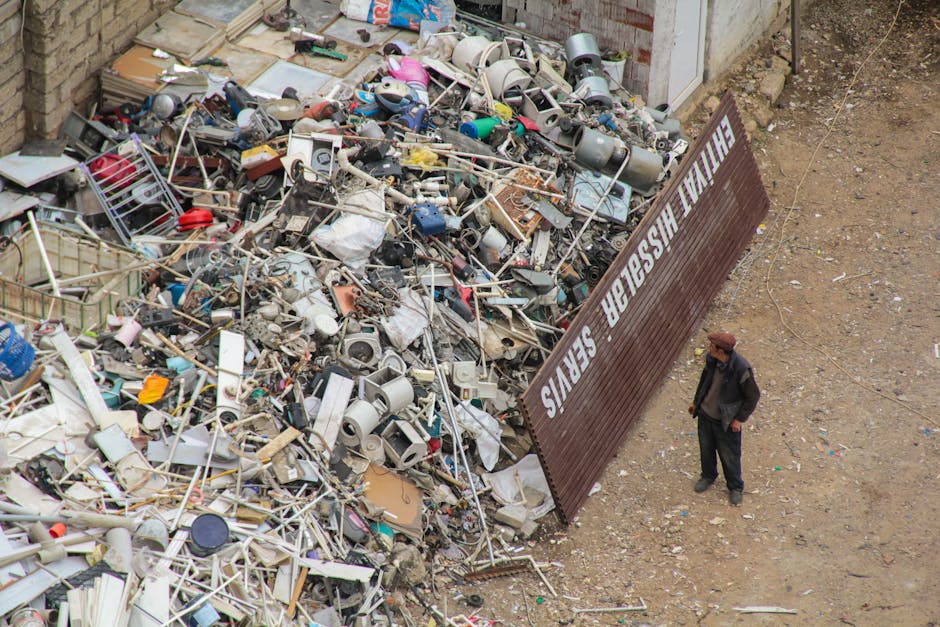
From a practical point of view, the cleaner the sorting, the smoother the move. Removal teams can work faster when waste, reusable items, recyclables, and specialist waste are separated before the van arrives. That means fewer surprises, less back-and-forth, and a lower chance of something being refused at the last minute. To be fair, nothing slows a move down quite like discovering a fridge, a broken chair, and a bag of old cables all need different handling.
There is also a duty-of-care angle. In the UK, waste must be managed responsibly, and householders and businesses alike should think carefully about where discarded items end up. For removals work, that means taking a sensible approach rather than treating everything as one pile of clutter. If your move includes anything awkward, the hazardous waste disposal guidance can be a useful reference point for special items that need extra care.
For people moving out of flats, mews houses, or office spaces near the museum quarter, these rules are not just formalities. They are part of getting the job done without stress. And yes, sometimes that means keeping a cool head while deciding whether the old desk lamp is recyclable, repairable, or just plain done.
How Disposal and recycling rules for South Kensington removals jobs Works
The basic idea is straightforward: separate items by type, identify what can be reused or recycled, and isolate anything that needs special handling. In a removals context, this usually happens before the move date, during packing, or at the point of clearance. The earlier you do it, the better.
A well-run removals job usually sorts items into a few common categories:
- Reusable items - furniture, homeware, and equipment that are still in decent condition.
- Recyclable materials - cardboard, metal, some plastics, clean wood, and certain appliances or components.
- General waste - damaged or contaminated items that cannot be reused or recycled.
- Specialist or regulated waste - appliances, batteries, chemicals, confidential documents, and anything potentially hazardous.
If you are moving home, the process often starts while packing. If you are relocating a business, it may involve office furniture, shredding, electronics, and perhaps old stock or archive materials. In those cases, services like packing and unpacking services can help keep the item flow organised from the start, rather than turning the hallway into a sorting depot. Nobody enjoys that, honestly.
The exact route for each item depends on condition, material type, and local disposal expectations. For example, a worn sofa is not handled in the same way as a stack of cardboard boxes. A fridge is not the same as a chair. A box of confidential papers is not the same as mixed paper recycling. These distinctions sound obvious when written down, but in the rush of moving day they are easy to blur.
Many South Kensington customers also ask what they can load and what should be left out. If skip-style sorting is part of your plan, the page on what can go in a skip is a handy way to understand the broad rules before anything is booked. It is not a substitute for careful checking, but it helps with the basics.
Key Benefits and Practical Advantages
Good disposal and recycling habits do more than keep things tidy. They can improve the whole moving experience. In our experience, customers feel the difference almost immediately once the clutter is reduced and the packing plan becomes clearer.
- Less waste to move - fewer bags, boxes, and bulky items means a lighter job overall.
- Lower risk of rejected items - when you pre-sort, you avoid awkward surprises on loading day.
- Better recycling outcomes - usable materials are more likely to be recovered properly.
- Safer handling - separating heavy, sharp, or awkward waste reduces accidents.
- Cleaner handover - especially useful for rented flats, managed blocks, and offices.
There is another benefit that people often overlook: calm. When waste is dealt with early, the whole move feels less frantic. Boxes are labelled properly, the back room is not full of "I'll decide later" items, and you can actually see the floor. Tiny win, but a real one.
Recycling also supports a more responsible move. If furniture can be reused or redirected, that is usually better than sending it straight to disposal. For bulky household items, the dedicated mattress and sofa disposal and furniture pick-up pages reflect the kind of items that commonly need a more specific plan.
Who This Is For and When It Makes Sense
This topic matters for a lot more people than first-time movers. If you are in South Kensington, you may need disposal guidance whether you are leaving a one-bedroom flat, clearing a townhouse, relocating a boutique office, or helping a parent downsize. The practical problems are often the same: too much stuff, too little time, and not enough clarity about what to do with the leftovers.
It is especially useful if you are:
- moving from a flat with limited storage space
- clearing out a property after years of accumulation
- replacing furniture and want the old pieces removed responsibly
- relocating an office and need to manage paper, IT equipment, and furniture
- preparing for a tenancy end and need the place cleared properly
- dealing with mixed waste that includes items needing special handling
This is also relevant when you are deciding between a full removals service, a van-only collection, or a separate disposal job. Sometimes a standard move is enough. Sometimes it is not. A mixed job with bulky waste can quickly become a two-part project. If that sounds familiar, a general man and van arrangement may suit smaller loads, while larger or more structured moves may need a moving truck or a more tailored plan.
Commercial customers should take extra care. Office clear-outs can involve documents, branded materials, and electronics. If that is your situation, the office relocation services and confidential shredding pages are especially relevant because office disposal is rarely just about lifting desks and chairs.
Step-by-Step Guidance
Here is a practical way to approach disposal and recycling before a South Kensington removal. It is not glamorous, but it works.
- Walk through each room
Make a quick inventory of what is staying, what is moving, what can be donated or reused, and what is waste. Use a notebook or your phone. No fancy system needed. - Separate specialist items first
Pull out appliances, batteries, sharp objects, chemicals, and anything that could leak or break. These should never be mixed in with general household waste. - Decide what can be recycled cleanly
Flatten cardboard, keep paper dry, and separate metals where possible. Clean, uncontaminated material is far easier to recycle than mixed, soggy, tape-covered debris. - Identify reusable furniture
Chairs, tables, shelves, and wardrobes in decent condition should be assessed before disposal. If they can be moved on, that is usually the better route. - Book the right collection method
Match the vehicle and service to the waste profile. Small mixed loads may suit a van. Large furniture or heavier clearances may need a larger removal vehicle or a dedicated disposal service. - Label and stage items clearly
Put recyclable bags in one place, waste in another, and keep special items separate. If you have movers coming in and out of a narrow hallway, this saves time and arguments. - Check access and timing
In South Kensington, timing matters. Shared entrances, parking limits, and building rules can all affect loading. Make sure the waste plan fits the move schedule, not the other way around.
A simple example: a family moving from a two-bedroom flat might have cardboard, a broken bedside table, an old microwave, and three bags of clothes. Those are four different decisions, not one. Sorting them early keeps the job neat and avoids last-minute confusion.
If you are unsure how to handle bulky furniture, the house removalists page may help if you are planning a larger residential move, while the fridge and appliance removal page is useful for white goods and similar items that should not be treated as ordinary junk.
Expert Tips for Better Results
Here are the small decisions that tend to make the biggest difference.
- Start with the hardest items - the bulky, awkward, or regulated items are the ones most likely to cause delays.
- Keep recycling clean - food residue, liquid, and mixed materials can make a load much less useful.
- Use one "decision zone" - a corner of the flat or office where uncertain items can be reviewed before they end up in the wrong pile.
- Do not overfill bags - overpacked waste bags tear, spill, and make handling much less pleasant.
- Check furniture condition honestly - if a sofa is badly damaged or soiled, reuse may not be realistic, even if it feels a bit hopeful.
- Think about access early - stairs, lifts, narrow corridors, and loading restrictions can affect what can be carried safely in one go.
One thing we often tell customers is to make decisions before the pressure peaks. At 7:30 on a moving morning, standing in a hallway holding a lamp and debating its destiny is not a good use of anyone's energy. You will notice the difference if those calls are made the day before.
For office moves, it helps to assign someone to manage waste streams, even if it is only one person with a checklist. Paper, e-waste, packaging, and general rubbish all need different treatment. Slightly old-school, but effective. If you need support with vehicle capacity for heavier or bulkier loads, removal truck hire is worth considering.
Common Mistakes to Avoid
Most problems come from rushing. Not from bad intentions, just rushing.
- Mixing recyclable and contaminated waste - a few dirty items can ruin an otherwise useful load.
- Leaving specialist waste until the end - batteries, appliances, and sharp items should be identified early.
- Assuming everything is collectable - some things need prior arrangement or a different disposal route.
- Not checking building rules - some blocks have strict timing or access expectations for collections.
- Keeping too much "just in case" clutter - be honest about what is actually moving with you.
- Forgetting confidential material - office papers and old records should be handled properly, not stuffed into random bags.
There is also a common emotional mistake: hanging on to broken items because you might fix them one day. We have all done it. That chair with one wobbly leg somehow survives three moves, two promises, and a lot of dust. But if it is no longer useful, it is taking up space that could be used better.
Another one: not reading the service terms carefully. When disposal is part of a removal job, expectations around what is included, what needs extra handling, and what can be accepted may vary. It is worth checking the terms and conditions before the moving date so there are no awkward surprises.
Tools, Resources and Recommendations
You do not need a complicated system, but a few practical tools help a lot.
| Tool or resource | Why it helps | Best use |
|---|---|---|
| Room-by-room checklist | Keeps decisions organised and prevents missed items | Home moves, downsizing, pre-move clear-outs |
| Colour-coded labels | Makes sorting obvious at a glance | Recycling, waste, keep, donate |
| Sturdy sacks and boxes | Reduces tears, spills, and awkward lifting | Mixed household waste and packing debris |
| Furniture protection materials | Helps keep reusable items in better condition | Tables, wardrobes, chairs, shelving |
| Shredding or secure document handling | Protects sensitive information | Office clearances and home paperwork |
For customers who care about greener moving choices, the recycling and sustainability page is a good supporting reference. It fits naturally with a move that aims to reduce waste rather than simply dump it. And if you are clearing a sofa or mattress, look at the specific disposal pages rather than assuming a general move will cover everything.
If you are comparing service types, it is also worth looking at home moves and commercial moves to match the job type to the waste and packing profile. A compact flat move and a small office relocation have very different waste patterns, even if they both fit in one afternoon.
Law, Compliance, Standards, or Best Practice
Disposal and recycling rules are not only about tidiness. In the UK, waste handling comes with responsibilities, especially where transport, sorting, or specialist materials are involved. The practical rule is simple: do not let waste leave your property unless you are satisfied it will be handled properly. That is the safe mindset for both homes and businesses.
For removals jobs, best practice usually means:
- separating reusable items from waste
- keeping recyclable material clean and uncontaminated where possible
- identifying specialist waste before collection day
- handling confidential documents securely
- avoiding unsafe loading of sharp, heavy, or unstable items
Businesses should be particularly careful with office contents, data-bearing items, and any materials that could pose a safety or compliance issue if mixed incorrectly. If you are unsure whether a load contains a risky component, pause and check rather than guessing. Guessing is how small issues become expensive ones.
Good operators will also have clear internal procedures for safety and handling. The pages on health and safety policy and insurance and safety signal the kind of careful working standards people should expect when items are being moved, loaded, and sorted. For anything that may involve secure disposal of sensitive paperwork, confidential shredding is the right direction to think in.
To be fair, most customers do not need to become waste-law experts. But they do need enough understanding to avoid the obvious mistakes and ask sensible questions. That alone makes a huge difference.
Options, Methods, or Comparison Table
Different disposal routes suit different removal jobs. The best option depends on volume, item type, and how much sorting you are willing to do before collection.
| Method | Best for | Strengths | Limitations |
|---|---|---|---|
| General removals load | Typical household items and standard move-out waste | Convenient, simple, often quickest | Not ideal for regulated or specialist items |
| Dedicated furniture collection | Sofas, tables, wardrobes, mattresses | Good for bulky items, easier planning | May need pre-checks on condition and access |
| Appliance-focused removal | Fridges, freezers, washing machines, ovens | Safer for heavy and awkward white goods | Requires more careful handling |
| Confidential destruction | Paper records and sensitive files | Better privacy and control | Only suitable for documents, not mixed waste |
| General rubbish and recycling separation | Cardboard, clean packaging, mixed household clear-outs | Improves recycling and reduces landfill waste | Needs time and discipline before collection |
For many people, the best answer is a combination. Reusable items go one way, recycling another, and anything special gets its own route. That is usually where the real efficiency comes from. If you are moving only a few items and want flexibility, a man with van arrangement may make sense. If the job is larger and involves more loading volume, a fuller vehicle setup is often easier.
Case Study or Real-World Example
Imagine a couple moving from a South Kensington flat to a new place elsewhere in London. They have two wardrobes, a sofa that has seen better days, several boxes of books, a microwave, a bundle of old cables, and a stack of cardboard from recent deliveries. On paper, that sounds manageable. In the room, it looks like a small warehouse.
They start by separating the obvious categories. The cardboard is flattened and kept dry. The sofa is checked for reuse viability. The microwave and old cables are set aside as electrical waste. A small bag of old paperwork is flagged for secure disposal. By the time the movers arrive, the items are already grouped. The actual loading takes less time, the hallway stays clearer, and nobody is making decisions while standing on the landing with a box in hand.
Now compare that with a rush job. Everything goes into one pile, the sofa is left until the last minute, the cables get tangled with packaging, and the paperwork ends up in a random bag. The team has to stop, sort, and ask questions. That does not just waste time; it creates risk. One messy pile can affect the entire flow of the day.
That little bit of advance sorting is often the difference between a smooth move and a stressful one. It is not dramatic, but it is real. And in a place like South Kensington, where logistics can be tight, real matters more than flashy.
Practical Checklist
Use this checklist the day before your removals job, or earlier if you can. Early is better. Much better.
- Walk through each room and list everything being disposed of
- Separate reusable items from waste
- Set aside appliances and anything electrical
- Identify batteries, liquids, chemicals, and sharp objects
- Flatten cardboard and keep recycling dry
- Bag general waste securely and do not overfill sacks
- Put confidential papers in a separate, secure pile
- Check whether any bulky furniture needs special handling
- Confirm access, parking, lifts, and timing for collection
- Review the relevant service terms before moving day
Quick expert summary: sort early, keep specialist waste separate, protect recyclable material from contamination, and make sure the collection method suits the item type. Simple on paper. Very effective in real life.
Conclusion
Disposal and recycling rules for South Kensington removals jobs are really about good judgement. If you sort items properly, separate anything specialist, and match the collection method to the load, the whole move becomes more manageable. You save time, reduce stress, and give reusable material a better chance of being handled responsibly.
The key is not perfection. It is preparation. A little planning the day before can save a lot of running around on the day itself. And if you are already juggling stairs, parking, packing tape, and one very determined cat, that extra calm is worth its weight in gold.
If you are planning a move and want help with sorting, loading, or responsible disposal, take a moment to review the available service information and choose the route that fits your situation best.
Get a free quote today and see how much you can save.
Sometimes the smoothest move is the one where the clutter is dealt with quietly, properly, and without fuss. That is the kind of moving day people remember for the right reasons.
Frequently Asked Questions
What items usually need special disposal during a removals job?
Common examples include fridges, freezers, batteries, paints, cleaning chemicals, sharp items, and confidential paperwork. Anything with electrical parts or potential contamination should be checked before loading.
Can I put all my rubbish in the van with my furniture?
Sometimes yes, but only if the waste is suitable and properly separated. Mixed loads are fine when they are organised; random mixed waste is where problems begin.
How do I know if something should be recycled or thrown away?
Start with condition and material type. Clean cardboard, many metals, and some plastics are often recyclable, while contaminated or broken items may need general disposal. If in doubt, separate it and review it again rather than guessing.
Do sofas and mattresses need different handling?
Yes, they often do. They are bulky, awkward, and not always suitable for ordinary waste handling. It helps to use the relevant disposal route rather than treating them like general rubbish.
What should I do with old appliances when moving out?
Set them aside early and keep them separate from regular packing waste. Appliances can be heavy and may need a more specific removal process, especially if they still contain wiring, coolant, or other components.
Is confidential paper disposal really necessary for home moves?
It can be. Old bank letters, medical documents, tenancy files, and tax records are common examples. If the papers are sensitive, it is smarter to keep them secure and handle them separately.
How far in advance should I sort disposal items?
As early as possible, ideally a few days before the move. Even one evening of sorting can make moving day noticeably calmer.
What is the biggest mistake people make with recycling during removals?
Contamination. A clean recycling pile can become much less useful if food waste, liquids, or mixed rubbish are thrown in with it.
Do office removals have different disposal needs from home removals?
Usually yes. Offices often involve documents, electronics, branded materials, and furniture, which means more care around security and sorting. That is why office clearances need a more structured approach.
What if I only have a few bulky items?
That is still worth planning properly. A few large items can be harder to manage than a lot of small boxes because they need more space, more care, and sometimes a different vehicle setup.
Can recycling and disposal be combined in one removals job?
Absolutely, and that is often the most efficient approach. The trick is to separate the categories before collection so the right items go to the right place.
Where can I check the service information before booking?
You can review the relevant pages for move types, disposal categories, and service details, then decide what matches your load, timing, and level of support needed.